Delcy at the UN: the usurped representation of a repressed Venezuela
In a joint statement, the Movimiento Ciudadano Venezolanos en el Mundo and VenAmérica said Delcy Rodríguez's speech at the UN General Assembly must not be taken as democratic legitimacy and urged the UN to demand verifiable human rights commitments.
Originally published by VenAmérica ·
Written by Movimiento Ciudadano Venezolanos en el Mundo y VenAmérica
Republished by Eyleen Valiente ·
Read the original: venamerica.org/home/delcy-en-la-onu-la-representacion-usurpada-de-una-venezuela-reprimida
Joint statement by the Movimiento Ciudadano Venezolanos en el Mundo and VenAmérica on the occasion of Delcy Rodríguez’s address at the United Nations
Geneva documents, New York must respond
There are institutional tensions that can be explained by the rules governing the representation of States. But no rule should serve as an excuse to sideline the victims, dilute responsibilities or confuse diplomatic dialogue with democratic legitimacy.
Venezuela once again puts the United Nations before that demand for coherence. In its report A/HRC/63/57, the Independent International Fact-Finding Mission on Venezuela documents serious human rights violations and warns that the legal and institutional structures that have sustained political persecution have not been dismantled (report, paras. 105–109).
The assessment does not ignore the changes: it records releases, a reduction in some forms of repression and greater space for certain public activities (report, paras. 27–30, 53 and 62). But it also warns that the openings are partial, conditional and reversible, while the foundations of the repressive system and impunity persist (report, paras. 106–109). Acknowledging those advances does not require overstating them. A limited opening is not the same as a democratic transition.
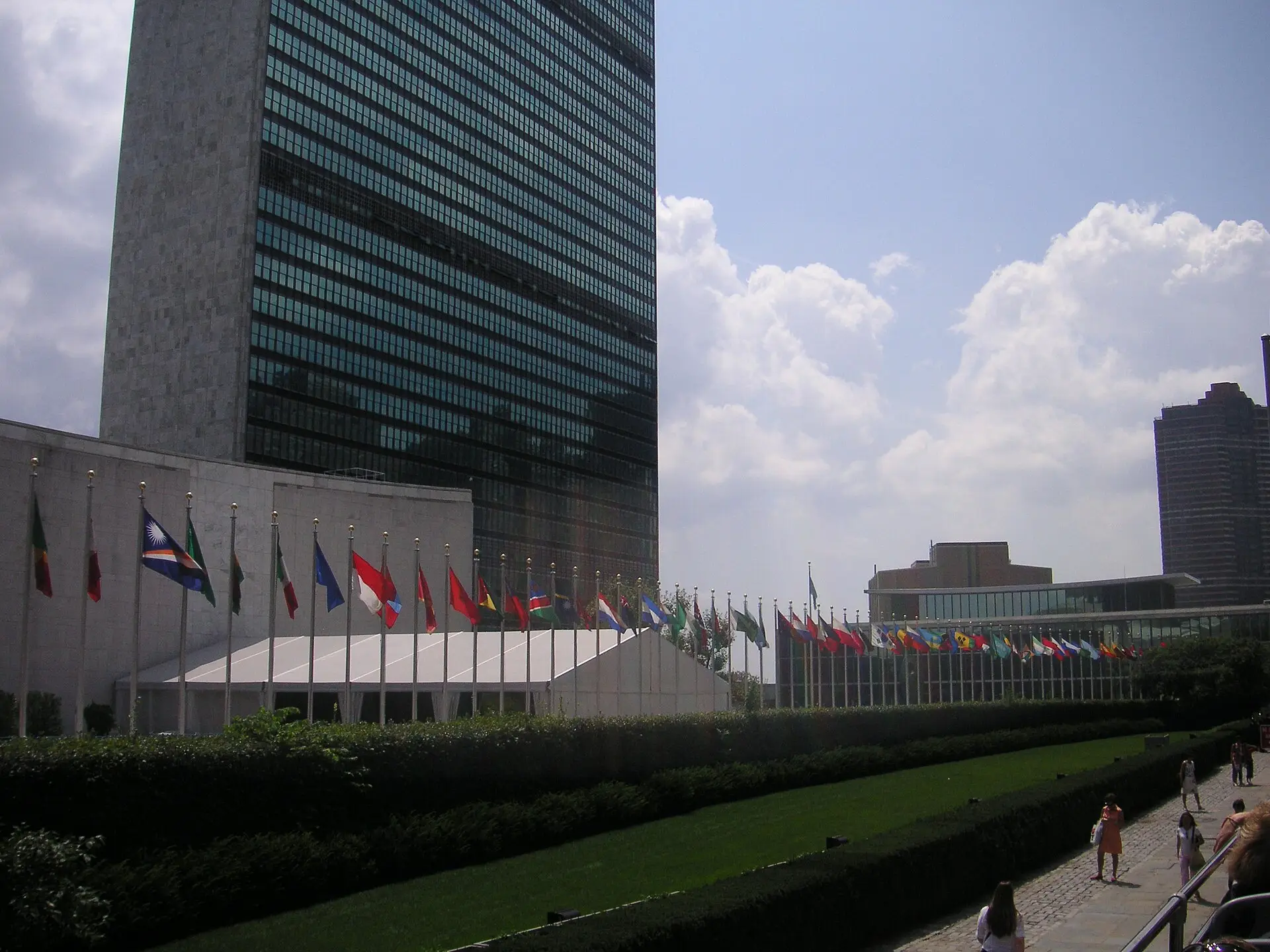
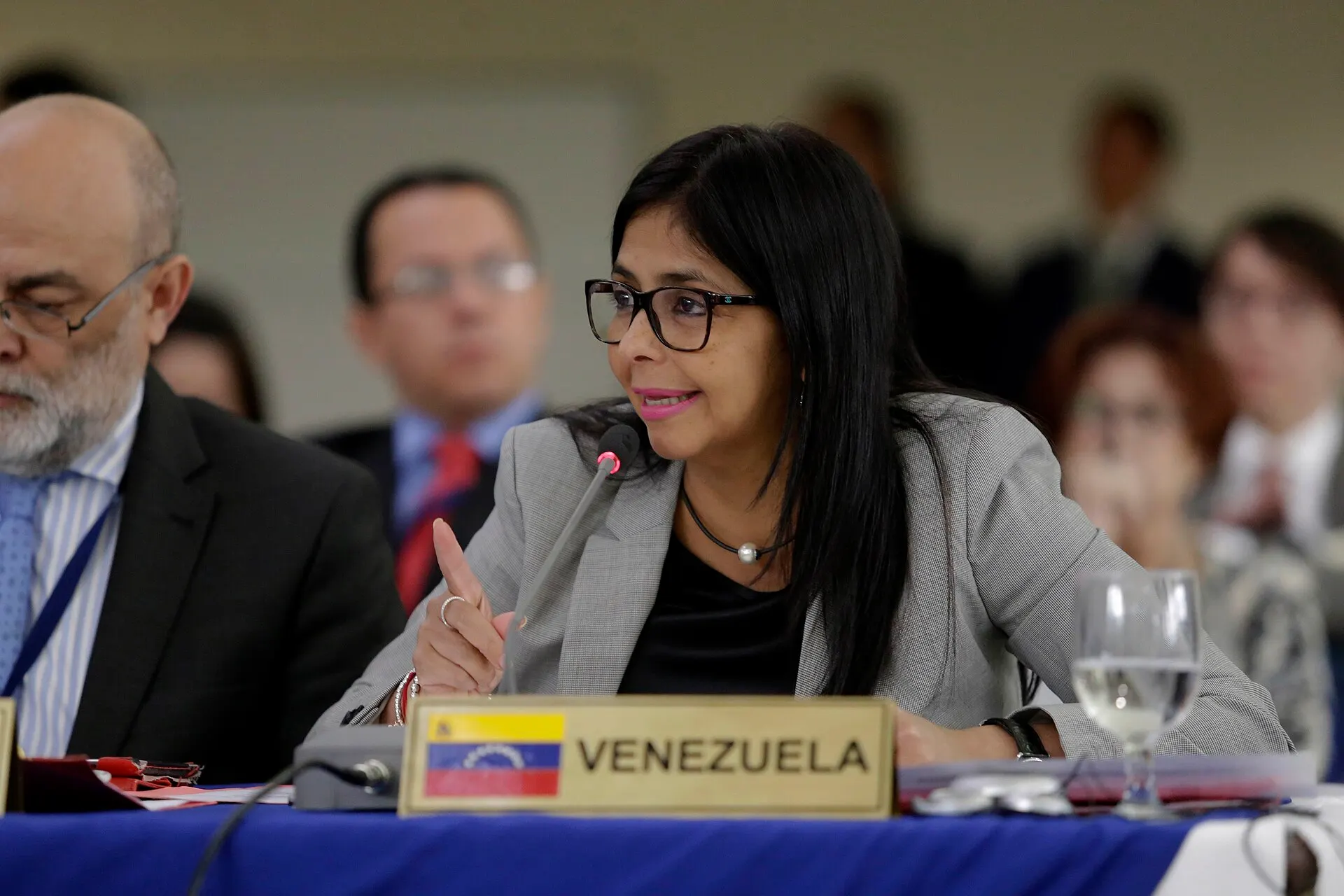
Meanwhile, in New York, Delcy Rodríguez is scheduled to take part in the General Assembly’s general debate, according to the provisional list reported by several media outlets. The United States also announced a meeting with President Donald Trump on the sidelines of a leaders’ reception, in a new sign of growing dialogue between the two governments (Reuters, September 18).
This is not about denying Venezuela its place at the United Nations. The representation of a State and the credentials of its delegation belong to an institutional sphere distinct from the recognition of governments granted by other States (UN, membership and representation). Precisely for that reason, taking part in the Assembly should not be presented as a certification of democratic legitimacy or as an absolution.
The capture of Nicolás Maduro by U.S. forces on January 3 changed the exercise of power, but the Mission documents that it did not lead to the dismantling of the repressive structures (report, summary and paras. 31–32). Delcy Rodríguez is no stranger to that continuity: the report recalls her senior posts under Maduro’s rule and her formal responsibility for overseeing the SEBIN as vice president since 2018 (report, para. 34). Changing who wields power is not enough to transform the structures that allow its abuse. Democratic legitimacy requires guarantees, independent institutions and rights that do not depend on the will of those who govern.
International cooperation may be necessary. So may stability. But neither should become an argument for indefinitely postponing democracy or relativizing human rights. The question is not whether there should be dialogue, but what concrete results it produces for freedom, justice and the protection of citizens.
Therefore, we urge the member States, the Secretary-General and the competent bodies of the United Nations to act, within their respective powers, so that this dialogue drives public, verifiable commitments subject to follow-up:
Freedom and transparency: the immediate and unconditional release of persons arbitrarily deprived of their liberty for political reasons, with verifiable information on those who remain detained, their whereabouts and their legal status.
Access and protection: full cooperation with international human rights mechanisms and unhindered access to detention centers, with guarantees against reprisals for victims, relatives and witnesses.
Institutional reforms: judicial independence, review of the laws used to criminalize dissent and the effective transformation of the bodies and practices that enable repression.
Truth and justice: independent investigations into the serious violations, determination of responsibilities with due process, and reparations for the victims.
Democratic guarantees: effective conditions to inform, organize, participate and compete politically without intimidation, with verifiable electoral guarantees.
These demands reflect the Mission’s recommendations on freedom, access, judicial independence, accountability and civic space, and link them to a political demand for effective democratization (report, paras. 111–114). We do not propose replacing the courts with a diplomatic platform. We demand that diplomacy not replace justice.
Nor is this a mere dispute between government and opposition. The Mission has found reasonable grounds to believe that crimes against humanity were committed, including persecution on political grounds; those findings demand investigation and accountability, not indifference or individual convictions without due process (A/HRC/57/57, paras. 9 and 104–105).
Behind the reports there are people, not case files: victims of arbitrary detention and torture, disappeared persons, relatives seeking answers and citizens affected by persecution (A/HRC/63/57, paras. 48–80). Their dignity cannot be subordinated to a diplomatic photograph or to the convenience of the moment.
The problem is not that Delcy Rodríguez speaks before the United Nations. It is that international normalization advances without demanding verifiable answers to the findings of its own human rights mechanisms. Giving someone the floor does not grant a right to omission and oblivion.
Geneva has documented; New York should not limit itself to listening. It must turn diplomatic attention into commitments, follow-up and public demands. May the solemnity of the Assembly not eclipse the gravity of the findings, nor the normalization of relations replace the democratization of institutions.
Miami, Florida, September twenty-first, two thousand twenty-six.
This Statement has been approved by the Boards of Directors of the Movimiento Ciudadano Venezolanos en el Mundo and of VENAMÉRICA