Spain grants citizenship to Marco Aurelio Quiñones, member of the Venezuelan transition negotiating table
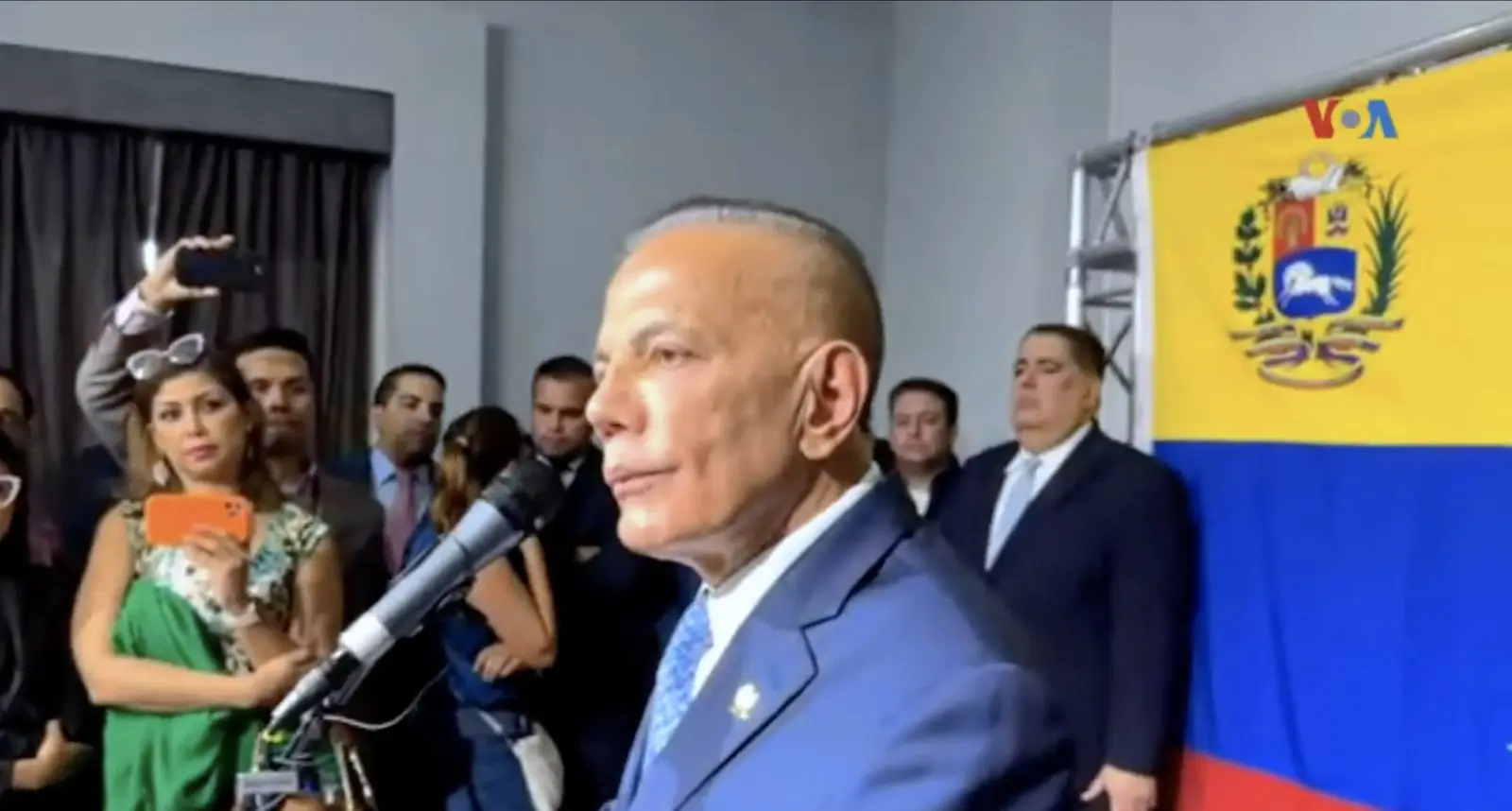
Spain's Council of Ministers granted Spanish citizenship by carta de naturaleza to Voluntad Popular leader Marco Aurelio Quiñones, vice president of the National Assembly elected in 2015, in exile and a member of the opposition delegation at the Venezuelan transition negotiating table. Royal Decree 971/2026 was published in the Official State Gazette (BOE).
Originally published by Voluntad Popular ·
Written by Staff, Voluntad Popular
Republished by Roger Quiroz ·
Read the original: voluntadpopular.com/espana-concede-la-nacionalidad-a-marco-aurelio-quinones-miembro-de-la-mesa-de-transicion-venezolana
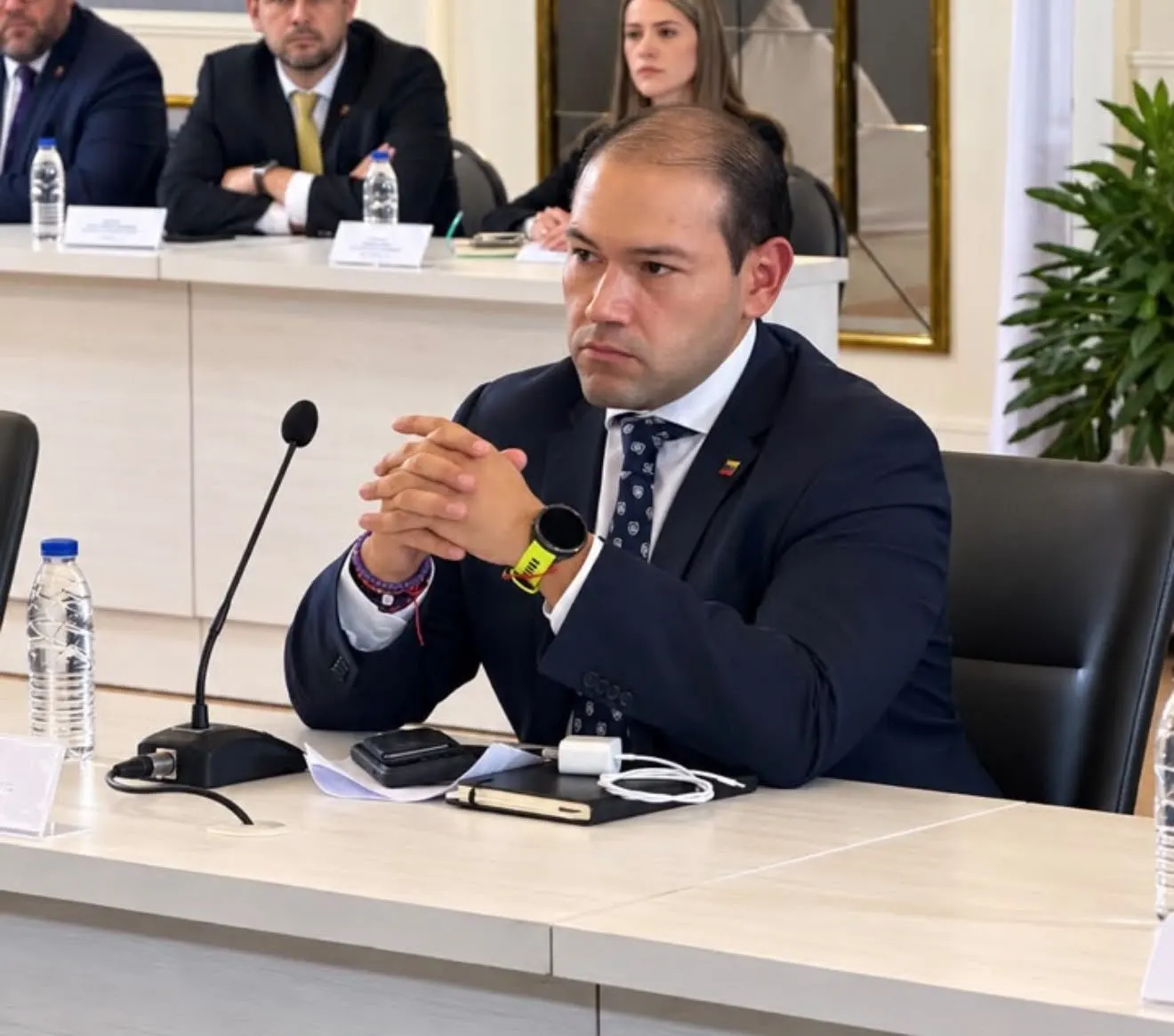
The Government of Spain granted Spanish citizenship to Venezuelan opposition leader Marco Aurelio Quiñones Gómez, vice president of the National Assembly elected in 2015 and a member of the opposition delegation taking part in the Venezuelan transition negotiating table.
The decision was approved by the Council of Ministers on November 3 and formalized through Royal Decree 971/2026, signed by King Felipe VI and published this Friday in the Official State Gazette (BOE). Citizenship was granted by carta de naturaleza, an exceptional route provided for in Spanish law for people in whom special circumstances concur.
Quiñones, a leader of the Voluntad Popular party, is in exile after leaving Venezuela for reasons linked to his political and parliamentary activity. From Spain he has continued his political work and his participation in the efforts aimed at restoring Venezuelan democracy.
He is currently part of the orderly transition negotiating table in Venezuela, a space for dialogue and negotiation that addresses matters related to political guarantees, institutions, fundamental rights and the restoration of democratic freedoms.
For the lawmaker, Spanish citizenship represents institutional backing and greater personal stability, at a time when he remains involved in the talks on his country’s political future.
Spain also grants citizenship to a Nicaraguan opposition figure
On the same day, it emerged that the Spanish Government had also approved granting citizenship by carta de naturaleza to former Nicaraguan presidential candidate and former political prisoner Félix Alejandro Madariaga Blandón.
Both decisions come in a context of welcoming and protecting Latin American political leaders who have faced persecution and are living outside their countries of origin.
For Quiñones, the measure marks a new chapter in his life in exile, while he maintains his participation in the political and international initiatives that seek to open the way toward a democratic Venezuela, with institutional guarantees and respect for the rule of law